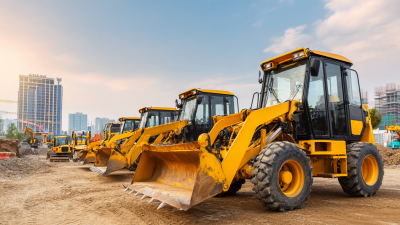
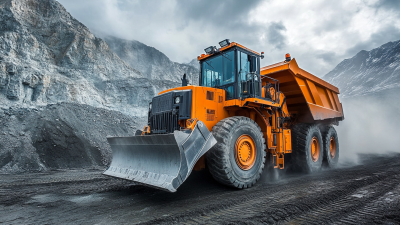
In the construction world, getting heavy equipment where it needs to go safely and efficiently isn’t just important — it’s absolutely essential for the success of the project. So, when it comes to heavy machinery, folks like Linyi Weiman Import and Export Co., LTD., based in Linyi City, Shandong — they really stand out as a top player. They’ve got a huge variety of equipment, from wheel loaders and mini loaders with a touch of luxury, to backhoe loaders, skid steers, excavators, and motor graders. If you're digging into heavy equipment hauling, knowing the ins and outs can really make a difference — it helps keep things running smoothly and makes sure you're playing by the safety rules. This guide’s here to walk you through some solid tips and best practices that won’t just make the whole process easier but also help protect your gear while you’re on the move. Whether you’ve been in the game for a while or just starting out, these little nuggets of advice should give you the confidence to handle hauling challenges without breaking a sweat.
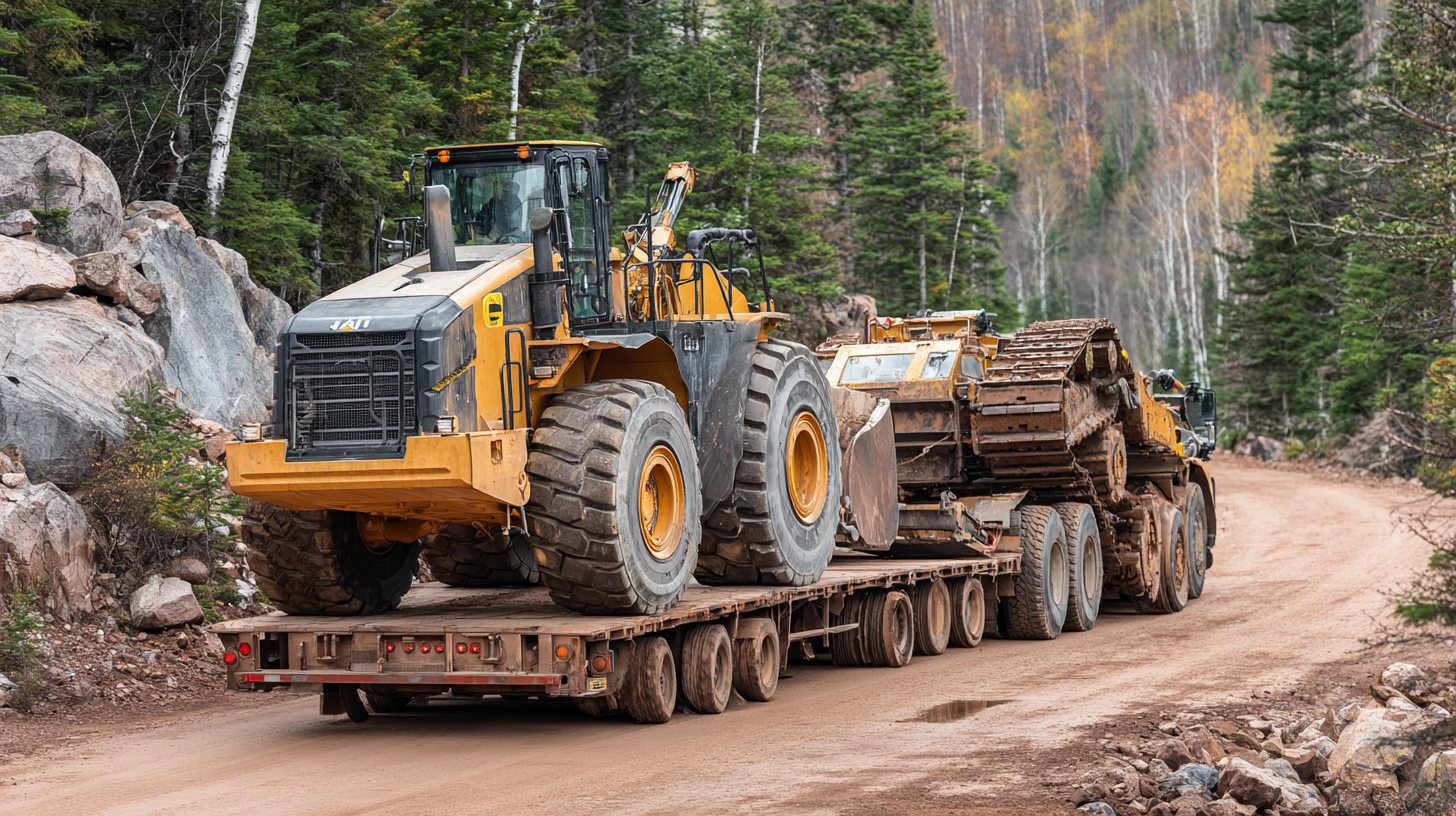
Choosing the Right Heavy Equipment for Hauling: A Quick Guide
When you're dealing with heavy equipment hauling, choosing the right machinery isn’t just a nice-to-have — it's a must for keeping things running smoothly and safely. According to the American Association of State Highway and Transportation Officials (AASHTO), picking the wrong gear can actually boost your operational costs by up to 30%. That’s a huge jump! So, it’s really important to get a clear idea of what your load needs — you know, its weight, size, and how it’s shaped. For example, a regular flatbed trailer might do the job for smaller machinery, but if you’re dealing with oversized or oddly-shaped stuff, you’ll probably need something specialized, like a lowboy or step-deck trailer, which offer better stability and distribute the weight more evenly.
On top of that, the equipment you pick needs to be compliant with the rules and regulations — nobody wants headaches from fines or delays. The Federal Highway Administration (FHWA) points out that over 60% of transport delays happen because of vehicle setup issues or missing permits. So, choosing gear that ticks all those boxes, like adjustable axles and extra safety features, isn’t just about following the law — it makes the whole process smoother, safer, and less stressful for everyone involved. Keep these things in mind, and you'll cut down on risks while also making your heavy hauling more efficient overall.
Essential Preparation Steps Before Hauling Heavy Equipment
When you're getting ready to haul heavy equipment, it's super important to do some solid planning. Trust me, it can make all the difference in keeping things safe and running smoothly. Did you know that, according to the American Association of State Highway and Transportation Officials (AASHTO), about 30% of transportation accidents involve heavy machinery? That really highlights why prepping properly before hitting the road is so crucial.
Here's a handy tip: always do a thorough pre-trip check on both your hauling gear and the load itself. Look out for any maintenance issues, make sure all attachments are secure, and double-check that you're within load limits.
Another thing you shouldn’t forget: getting all the necessary permits beforehand. Every state has its own rules about transporting oversized loads, and they can differ a lot. The Federal Highway Administration (FHWA) reports that around 70% of heavy equipment-related road incidents are tied to poor load management — so yeah, it’s pretty important to stay on top of this.
Tip: Take some time to learn the local laws where you’re headed, and make sure you've got all the permits you need. It’ll save you from headaches and potential fines, plus keep your trip hassle-free.
Lastly, good communication with your team is
key. Keep everyone in the loop about the route, any tricky spots, or backup plans. When everyone’s on the same page, it really helps cut down on risks and makes for a smoother ride overall.
Techniques for Securing Heavy Loads During Transport
Making sure heavy loads are secured properly during transport isn't just about following rules — it’s really about safety and keeping everything running smoothly. According to the American Trucking Associations, mishandling load security is actually one of the top causes of accidents on the road, accounting for around 30% of cargo-related crashes. That’s why being familiar with the right techniques is a must for anyone behind the wheel. It can seriously make a difference in cutting down those risks.
One of the best ways to secure heavy stuff is by using tools like ratchet straps, chains, and binders. But it doesn’t stop there — you also want to add friction mats and edge protectors to give extra support. The folks at NIOSH recommend using at least four tie-downs for loads over 10,000 pounds — and it’s important that these tie-downs are rated for the weight you're handling, so they don’t give out. Plus, spreading the weight evenly across your trailer is key to keeping everything balanced and avoiding load shifts during the trip. Don’t forget to check everything before you start loading, and give everything a quick once-over after loading is done. Regular inspections are your best friends for catching any issues early and making sure the load is stable, which is super important to avoid accidents and keep your transport smooth and safe.
Understanding Legal and Safety Regulations for Heavy Equipment Hauling
When you're dealing with hauling heavy equipment, really getting a grip on the legal and safety rules is everything. I read a report recently from the Equipment Leasing and Rental Association (ELRA), and what stood out is how sticking to those regulations can actually make a big difference. Organizations that follow the rules closely tend to have up to 30% fewer accidents—pretty impressive, right? Some of the main things to watch out for include staying within load limits, making sure drivers have the proper licenses, and having solid safety measures in place during transport. The Federal Motor Carrier Safety Administration (FMCSA), for instance, also requires health checks and certification for drivers to keep everyone safe on the road.
And let’s not forget, local laws are a whole other ballgame—they can be all over the place depending on where you are. That means haulers really need to do their homework. A survey by the National Association of Small Trucking Companies (NASTC) found that about 60% of small fleet operators run into legal headaches because they’re not fully familiar with regional transport laws. So, good planning isn’t just about ticking boxes on regulations; it’s also about staying in touch with local authorities and understanding what’s required. Knowing these rules backwards and forwards not only keeps you and your cargo safe but also helps make heavy equipment hauling a whole lot smoother and safer for everyone involved.
Ultimate Guide to Heavy Equipment Hauling Techniques and Best Practices - Understanding Legal and Safety Regulations for Heavy Equipment Hauling
| Regulation/Practice |
Description |
Compliance Source |
Recommended Practice |
| Weight Limits |
Understand state-specific weight limits for road travel. |
Department of Transportation (DOT) |
Plan routes to avoid overweight fines. |
| Permits |
Obtain necessary permits for oversized loads. |
Local Government Agencies |
Apply for permits well in advance of haul. |
| Safety Training |
Ensure all personnel are trained in safety protocols. |
Occupational Safety and Health Administration (OSHA) |
Conduct regular safety drills and training. |
| Insurance |
Have adequate liability insurance for hauling companies. |
Insurance Agencies |
Review insurance coverage periodically. |
| Traffic Control |
Implement traffic control measures for safety. |
Local Traffic Authority |
Use flaggers and signs as needed. |
Best Practices for Navigating Different Terrain While Hauling
Dealing with different types of terrain while hauling heavy equipment can be pretty tricky—there's definitely a lot to keep in mind. Just recently, the Colorado Department of Transportation put out a safety video that really highlights how complex it can be to travel along mountainous routes like Interstate 70. You know, this kind of terrain isn’t a walk in the park; it calls for some specific techniques to get the job done safely and efficiently. Industry stats show that about 30% of heavy equipment accidents happen because of mishandling on inclines or uneven surfaces. That’s why professionals need to be well-versed in things like balancing weight properly and choosing the right hauling trucks to avoid these risks.
When you’re hauling big construction gear—think backhoes or excavators—it's super important to consider the terrain’s particular quirks. The American Society of Civil Engineers stresses that securing the load right and using tires suited to the job can really boost traction and stability. At Linyi Weiman Import and Export Co., LTD, we get how crucial it is to give operators solid training on navigating tough landscapes. Taking the time to learn these best practices doesn’t just reduce accidents; it also helps your equipment last longer and keeps you on the right side of safety rules. So, bottom line—knowing what you’re doing out there makes all the difference."
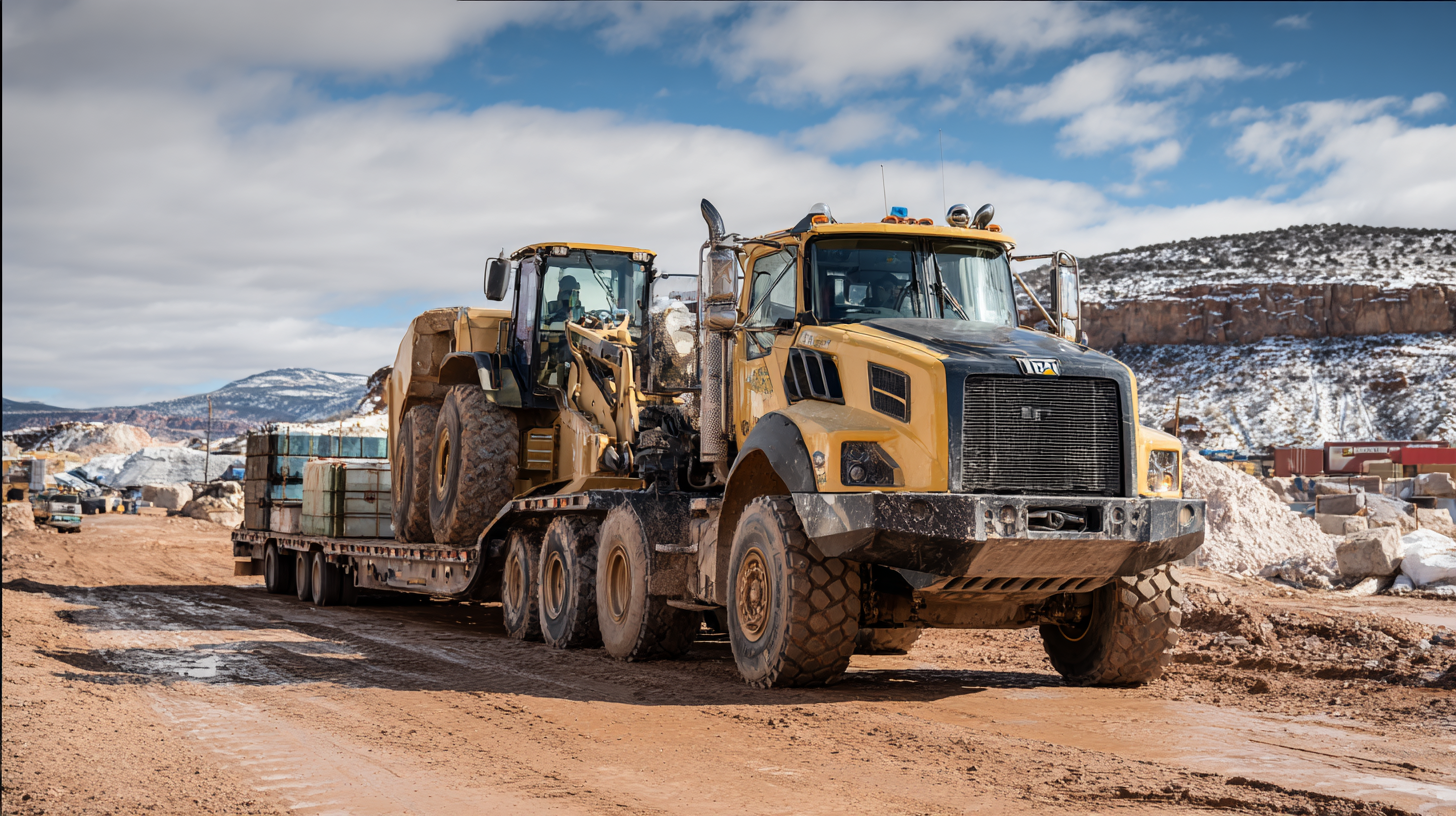
Post-Transport Considerations: Inspecting and Maintaining Your Equipment
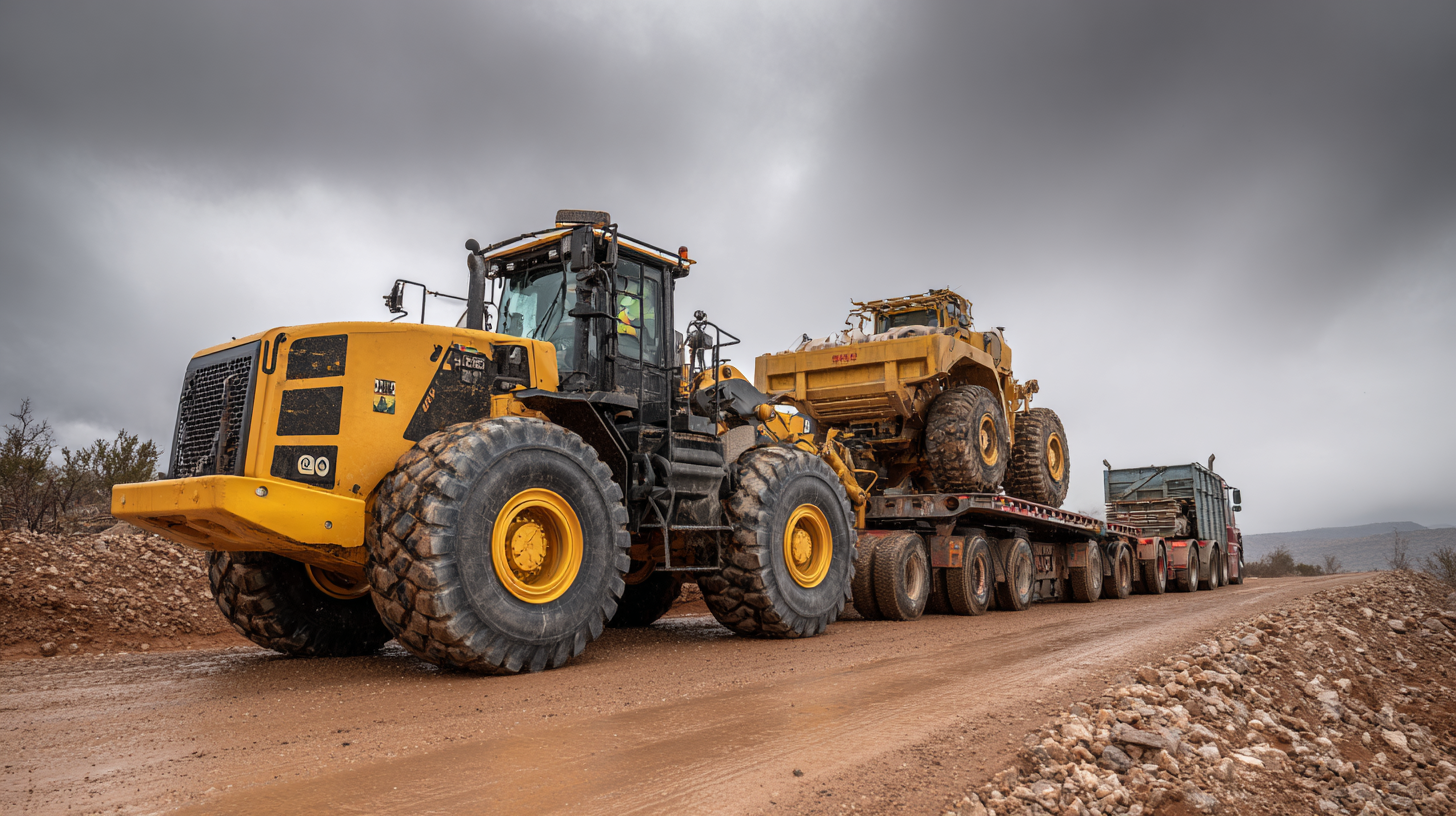 Once you've successfully moved heavy equipment to its new spot, the very next thing you want to do is give everything a good look-over. Take your time to check for any obvious damage—dents, scratches, or even leaks. Doing a quick walkthrough like this helps catch issues early on, so you know your gear is safe and ready for whatever's next.
And hey, a tip—keep a checklist nearby for these post-transport inspections. Make sure to include important parts like hydraulic systems, tires, and the undercarriage. Sticking to this list helps make sure you don’t miss anything that could need fixing later on.
Once the equipment is unloaded, don’t forget: regular maintenance is key. Giving everything a good clean and oiling up moving parts keeps things running smoothly and helps prevent rust or corrosion from taking hold. If you spot any small problems, fixing them right away can save you both time and money down the road.
Here’s another pro tip—schedule routine checkups after each move. Staying on top of maintenance not only makes your gear last longer but also makes sure it stays reliable for whatever job you’ve got coming up next. In the end, being proactive keeps you prepared and minimizes surprises.
Essential Guide to Choosing the Right Heavy-Duty Sealing Components: Spotlight on SDLG 4110000556128 Gasket
When it comes to maintaining heavy-duty machinery, choosing the right sealing components is crucial for optimal performance. One standout option is the SDLG 4110000556128 gasket, a precision-engineered product that underscores the importance of reliability in sealing applications. Weighing in at 0.58KG, this gasket is not just a simple accessory; it's an essential part of ensuring that SDLG machinery operates without leaks, especially in critical systems subject to varying pressures and temperatures.
The SDLG 4110000556128 gasket is crafted from durable, wear-resistant materials designed to withstand the rigors of industrial environments. This robust construction allows it to provide a secure fit, making it an ideal choice for various maintenance and replacement needs. Whether it's for routine upkeep or addressing wear and tear, this gasket plays a vital role in maintaining operational integrity. By investing in high-quality sealing components like the SDLG 4110000556128, operators can significantly enhance the longevity and reliability of their equipment, thus ensuring smoother operations.
FAQS
: Securing heavy loads is crucial for ensuring safety and compliance with industry regulations, as improper load securing contributes to about 30% of cargo-related accidents.
Effective methods include using ratchet straps, chains, binders, friction mats, and edge protectors, along with a minimum of four tie-downs for loads over 10,000 pounds.
Distributing the weight evenly across the trailer and conducting regular inspections before and after loading can help maintain balance and prevent shifting.
Key regulations include adhering to load limits, ensuring proper driver licensing, and following specific safety measures mandated by organizations such as the Federal Motor Carrier Safety Administration (FMCSA).
It's important to conduct diligent research and communicate proactively with local authorities, as laws can vary widely and non-compliance can lead to legal challenges.
After transport, conduct a thorough inspection for damage, check key components such as hydraulic systems and tires, and keep a checklist for consistency.
Regular maintenance, including cleaning and lubrication, helps prevent rust and corrosion, prolongs the lifespan of equipment, and ensures reliability for future jobs.
It is recommended to schedule routine maintenance checks after each transport to ensure the equipment is in optimal condition for upcoming operations.
Conclusion
In our 'Ultimate Guide to Heavy Equipment Hauling Techniques and Best Practices,' we get into what really matters when it comes to moving heavy machinery safely and efficiently. The blog kicks off by stressing how important it is to pick the right equipment for the job—doing so helps things run smoothly and keeps you within the rules. We also cover some key prep steps, like planning your route ahead of time and doing those pre-haul inspections. Trust me, a little extra planning can save you a lot of headaches during the trip.
On top of that, we go over different ways to secure those heavy loads properly—because, honestly, safety and stability on the road are things you can't mess around with. Knowing the legal stuff and safety rules is super important, too—and being flexible to handle different terrains can really make or break your haul. Once the equipment's finally delivered, it’s a good idea to give everything a thorough inspection and do some maintenance. That way, your machinery stays reliable and lasts longer. At Linyi Weiman Import and Export Co., LTD., we’re proud to be a top supplier of heavy construction gear, and our goal is to share tips that help operators nail their heavy equipment transport projects without a hitch.

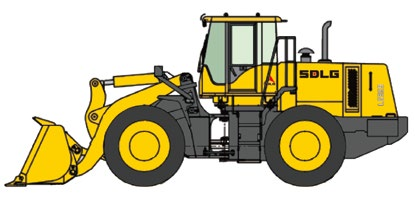 Wheel Loader
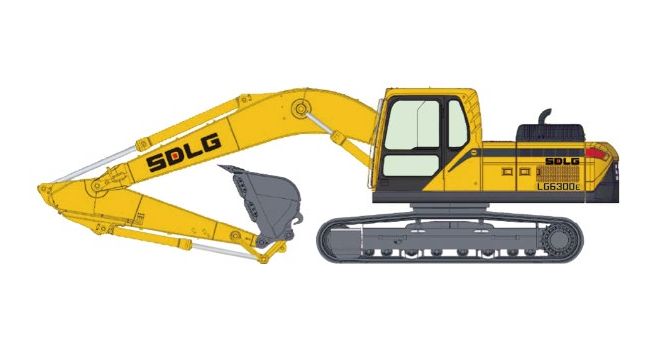 Excavator
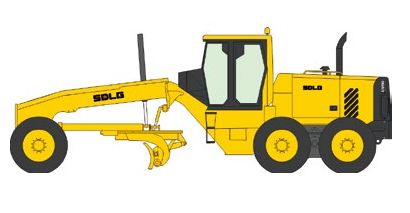 Motor Grader
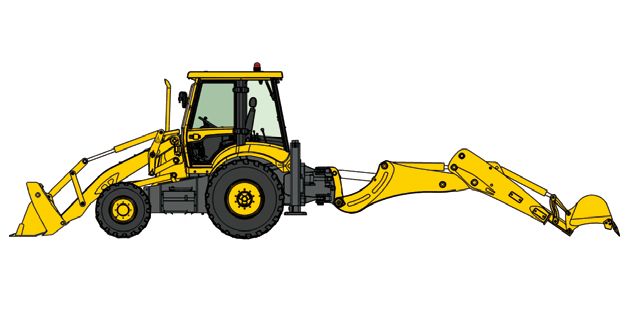 Backhoe Loader
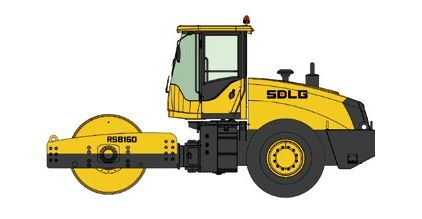 Road Roller
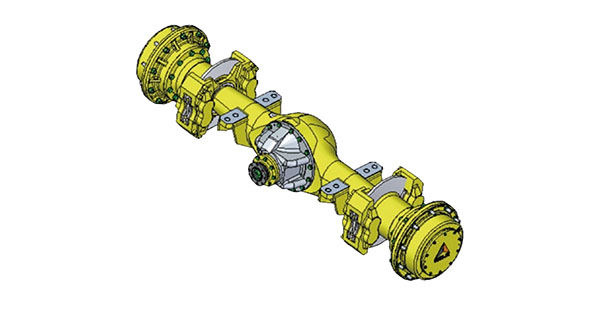 Spare Parts