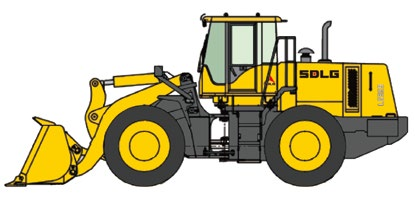
 Wheel Loader
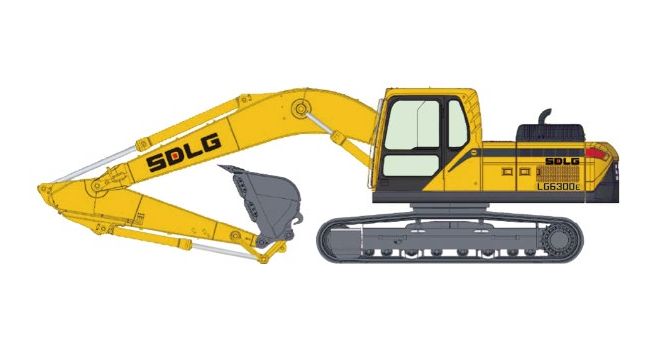 Excavator
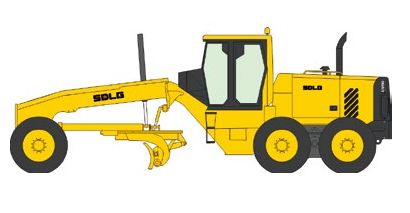 Motor Grader
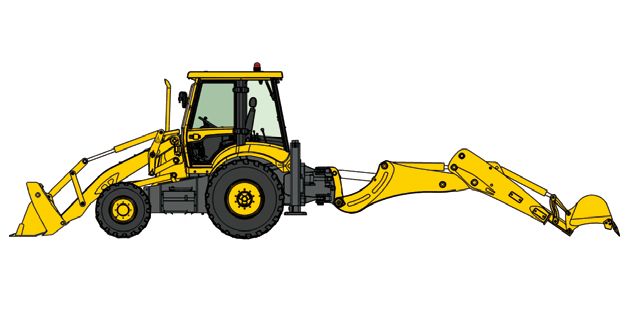 Backhoe Loader
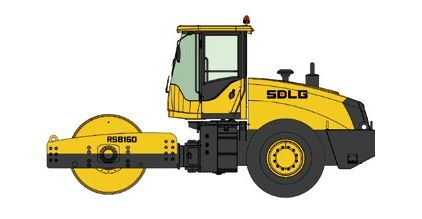 Road Roller
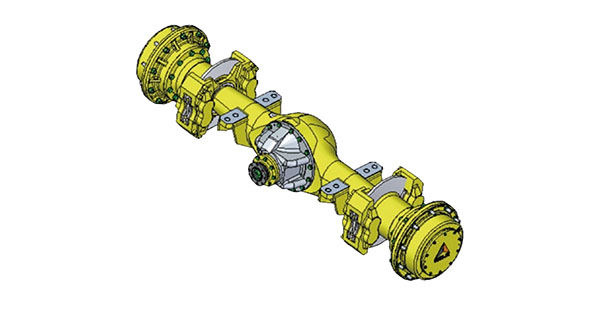 Spare Parts
Leave Your Message
Pioneering Sustainable Construction Technology
Germany's major cities including Berlin, Munich, Hamburg, and Frankfurt are implementing strict emission regulations for construction sites, driving the adoption of electric excavators in urban infrastructure projects.
German manufacturers are at the forefront of electric excavator innovation, with advanced battery technology and energy recovery systems that reduce operational costs by up to 70% compared to diesel alternatives.
Germany's commitment to carbon neutrality by 2045 has accelerated the transition to electric construction equipment, with government incentives supporting businesses adopting zero-emission machinery.
Germany has established itself as a global leader in sustainable construction technology, with electric excavators playing an increasingly vital role in the country's construction landscape. As Europe's largest economy and a pioneer in environmental innovation, Germany presents a thriving market for electric excavator manufacturers and suppliers.
The German construction equipment market has witnessed remarkable transformation over the past decade, with electric excavators emerging as a cornerstone of sustainable building practices. Major German cities have implemented stringent low-emission zones, making electric excavators not just an environmental choice but a practical necessity for contractors operating in urban areas.
The commercial construction sector in Germany, valued at over €400 billion annually, is increasingly embracing electrification. From residential developments in Stuttgart to infrastructure projects in the Ruhr Valley, electric excavators are becoming the equipment of choice for forward-thinking contractors who recognize both the environmental and economic benefits of this technology.
Regulatory Compliance: German federal and state regulations increasingly mandate zero-emission equipment for indoor construction, tunneling, and sensitive environmental areas. Cities like Munich and Hamburg have established clear timelines for phasing out diesel-powered equipment from city center construction sites.
Economic Incentives: The German government offers substantial tax benefits and subsidies for businesses investing in electric construction equipment, with some programs covering up to 40% of the purchase price for qualifying electric excavators.
The electric excavator industry in Germany is experiencing rapid innovation across multiple dimensions. Battery technology improvements have extended operational hours, with modern electric excavators now capable of working full shifts on a single charge. Fast-charging infrastructure is expanding throughout German industrial parks and construction sites, addressing one of the primary concerns of early adopters.
German engineering excellence is evident in the sophisticated control systems and automation features integrated into modern electric excavators. Many models now feature predictive maintenance systems, telematics integration, and AI-assisted operation that optimize energy consumption and extend equipment lifespan.
The rental market for electric excavators in Germany has grown exponentially, with major equipment rental companies like Boels and Zeppelin Rental expanding their electric fleets to meet surging demand. This trend allows smaller contractors to access electric technology without significant capital investment, accelerating market adoption.
Urban Infrastructure Projects: Electric excavators are extensively used in Germany's ongoing urban renewal projects. The reconstruction of Berlin's historical districts, Frankfurt's subway expansion, and Munich's underground parking facilities all rely heavily on electric excavators due to their zero-emission operation and reduced noise levels, which are crucial for working in densely populated areas.
Automotive Industry Support: Germany's automotive sector, home to Mercedes-Benz, BMW, Volkswagen, and numerous suppliers, requires frequent facility modifications and expansions. Electric excavators are preferred for these projects as they can operate safely indoors without ventilation concerns, enabling factory modifications without production shutdowns.
Renewable Energy Installation: Germany's Energiewende (energy transition) involves massive wind farm installations and solar park developments. Electric excavators are ideal for these projects, aligning with the sustainable energy philosophy while providing the precision needed for foundation work and cable trenching.
Historic Preservation: Germany's rich architectural heritage requires sensitive renovation approaches. Electric excavators' vibration control and precise operation make them invaluable for working near historic structures in cities like Heidelberg, Rothenburg, and Bamberg, where preservation standards are exceptionally strict.
The adoption of electric excavators varies significantly across German regions. Bavaria and Baden-Württemberg, with their strong environmental consciousness and robust economies, lead in electric equipment adoption. North Rhine-Westphalia, despite its industrial heritage, is rapidly transitioning as coal-dependent industries decline and sustainable alternatives gain prominence.
Northern German ports, including Hamburg and Bremen, are investing heavily in electric construction equipment for port expansion and modernization projects. The maritime industry's commitment to reducing emissions extends to the equipment used in port construction and maintenance.
German manufacturers and research institutions are pioneering next-generation electric excavator technologies. The Fraunhofer Institute and various technical universities are developing advanced energy storage solutions, including hybrid battery-supercapacitor systems that provide both extended runtime and high power output for demanding applications.
Wireless charging systems are being tested at several German construction sites, promising to eliminate charging downtime by enabling opportunity charging during brief work pauses. This technology could revolutionize multi-shift operations and further improve electric excavator productivity.
Integration with Building Information Modeling (BIM) systems is another area where German innovation excels. Electric excavators equipped with GPS and machine control systems can execute complex excavation plans with millimeter precision, reducing material waste and rework while optimizing energy consumption.
Germany's strategic location in central Europe makes it an ideal hub for electric excavator distribution throughout the continent. Major logistics centers in Frankfurt, Duisburg, and Leipzig ensure efficient parts supply and equipment delivery. The country's extensive rail network and efficient port facilities support both import and export activities.
Local manufacturing of electric excavator components is expanding, with German companies producing high-quality hydraulic systems, electric motors, and control electronics. This localized supply chain reduces lead times and ensures compliance with stringent German quality standards.
Germany's renowned dual education system is adapting to include electric excavator operation and maintenance. Vocational schools and equipment manufacturers offer comprehensive training programs covering both operational skills and electrical system maintenance. This ensures a skilled workforce capable of maximizing the benefits of electric technology.
Professional associations like the German Construction Equipment and Building Material Machinery Association (VDBUM) provide certification programs specifically for electric equipment, establishing industry standards and best practices.
The future of electric excavators in Germany appears exceptionally promising. Industry analysts project that electric models will comprise over 50% of new excavator sales in Germany by 2030, driven by regulatory requirements, economic advantages, and technological maturity.
Autonomous operation capabilities are on the horizon, with several German construction companies piloting remote-controlled electric excavators for hazardous applications. These developments promise to further enhance safety while maintaining the environmental benefits of electric operation.
The integration of renewable energy sources directly with construction sites is another emerging trend. Solar canopies over equipment storage areas and wind turbines at large construction sites can provide clean energy for charging electric excavators, creating truly sustainable construction operations.
Cost Reduction vs Diesel
Zero Emissions Operation
Noise Reduction
Market Dominance Target
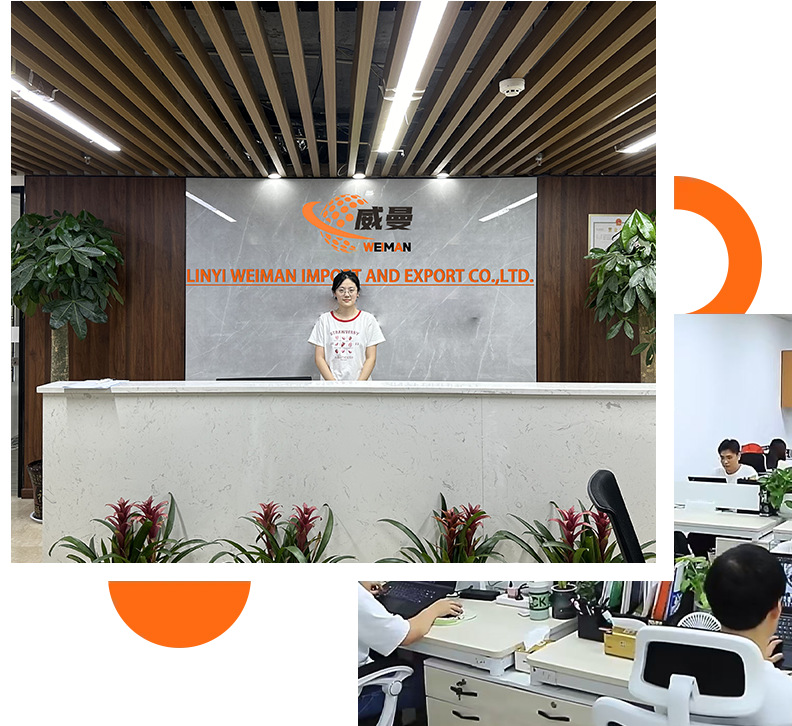
Linyi Weiman Import and Export Co., Ltd. Located in Linyi city, Shandong province, near SDLG factory and closes to XCMG, SEM, Shantui and Weichai factories.
Weiman is the top professional construction equipment supplier, in particular heavy construction equipment, including wheel loaders, luxury mini loader, backhoe loader, skid steer loader, excavator, motor graders, forklift, bulldozer for countries world widely.
Our commitment to quality and innovation makes us the preferred partner for electric excavator components and genuine parts serving the German market. We understand the unique requirements of European construction standards and provide certified components that meet all regulatory requirements.
From 2012 to now, we had established good and long-term business relationship with many big reputable General Contractors, and Construction Companies in the world. We are also supplying genuine parts for SDLG, XCMG, XGMA, Shantui, Liugong, Lonking, Changlin, SEM, Sany, Heli, Hangcha, Doosan, Volvo, Weichai, Shangchai, Yuchai, Cummins, ZF, Advance, Meritor, Feicheng spare parts etc.
Serving construction markets worldwide with specialized focus on European standards

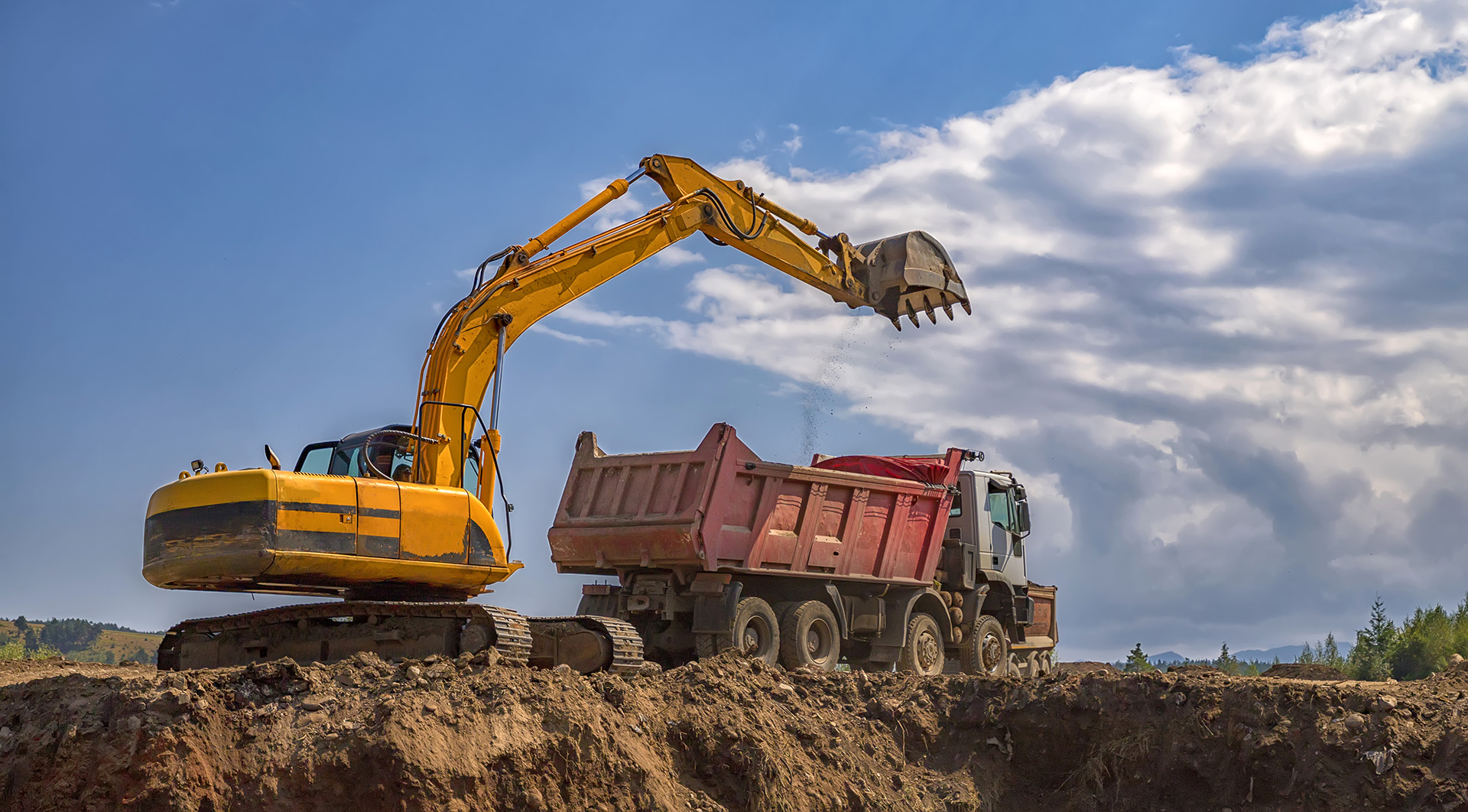
High-quality genuine parts ensuring optimal performance and longevity